Union City’s restaurant scene is built on speed, consistency, and reputation. Whether a kitchen serves breakfast at daybreak or closes after a late dinner rush, the standards for cleanliness never pause. Our restaurant cleaning program is designed for Union City corridors like Highway 138, Roosevelt Highway, and Shannon Parkway, where restaurants compete for repeat guests and managers need cleaning crews who understand the difference between surface polish and operational sanitation.
We build degreasing and sanitation programs that align with how restaurants actually operate: prep begins early, service peaks quickly, and inspection readiness must be maintained every day. This page outlines our deep-cleaning methodology, degreasing workflow, and the documentation standards we use to keep kitchens, dining rooms, and restrooms in a health-ready condition without interrupting your service flow.
Why Restaurant Cleaning is Different
Restaurants are one of the few environments where cleaning and sanitation directly influence revenue. A slip hazard in the kitchen, a greasy line surface, or a restroom that reads poorly to a guest is not just a cleanliness issue. It affects reviews, inspections, and repeat business. In Union City, where diners have abundant options, consistent presentation is a competitive advantage.
Unlike offices or retail spaces, restaurants carry heavy soil loads in high-heat areas. Oils atomize and settle on surfaces, food particles collect in corners, and foot traffic grinds debris into floors. This is why restaurant cleaning must be a layered system: daily resets, scheduled degreasing, and a documented sanitizing process that supports food-contact safety.
Cleaning vs Sanitizing vs Disinfecting
Restaurant sanitation begins with clarity on terms. Cleaning removes food soil and grease so that a surface can be sanitized effectively. Sanitizing reduces microorganisms on food-contact surfaces after cleaning. Disinfecting is a higher-level process typically used for non-food-contact zones such as restrooms or office areas. In practice, the sequence matters: if a surface is not fully cleaned, sanitizers cannot perform as intended. FDA guidance and model food codes emphasize a wash-rinse-sanitize-air dry sequence for food-contact surfaces in retail food operations.
Label directions are also part of compliance. EPA sanitizer labels specify dilution, application method, and contact time, and those directions must be followed to meet the product’s intended use on food-contact surfaces. We train our crews to respect label directions and to document sanitizer usage, especially in kitchens with high production volume.
Inspection Readiness & Health Department Expectations
Health inspections are rarely about a single surface; they reflect the consistency of the whole operation. In Union City, restaurants that pass inspections smoothly tend to follow a routine that keeps the kitchen and dining areas ready every day, not just on inspection week. That means maintaining a visible standard in high-risk areas like prep tables, hand sinks, and storage zones while also keeping the guest-facing environment polished and free of grease film or residue.
Our approach is built for readiness, not scramble. We focus on repeatable resets and documented cleaning checkpoints so managers can confidently confirm that the restaurant is prepared for inspections, surprise visits, or franchise quality audits. When cleaning is performed on a predictable cadence, staff training is easier, handoffs between shifts are smoother, and the restaurant avoids the stress of last-minute catch-up work.
Allergen & Cross-Contact Awareness
Restaurant cleaning is also about preventing cross-contact. While allergens are primarily managed through food handling practices, surface cleanliness plays a role in reducing residue transfer. We emphasize clear separation between cleaning and sanitizing steps, careful wipe-downs of shared prep areas, and attention to touchpoints that are often overlooked during busy service windows.
- Prep stations: wipe and sanitize between prep cycles and ingredient changes.
- Smallwares & utensil storage: keep handles and storage bins clean and residue-free.
- Hand sinks: maintain soap, towels, and clean basins to support staff hygiene.
- Cold storage handles: high-touch surfaces that collect residue during rush periods.
- Bar and beverage stations: wipe-downs that reduce sticky film and buildup.
Grease Control & Fire Risk
Grease is not only a cleanliness concern; it is a fire risk and a compliance variable. The standard that addresses ventilation control and fire protection for commercial cooking operations is NFPA 96, which sets minimum requirements for design, installation, operation, inspection, and maintenance of hood and duct systems. Local authorities having jurisdiction (AHJ) can require specific intervals or documentation, so restaurants should align cleaning schedules with local expectations.
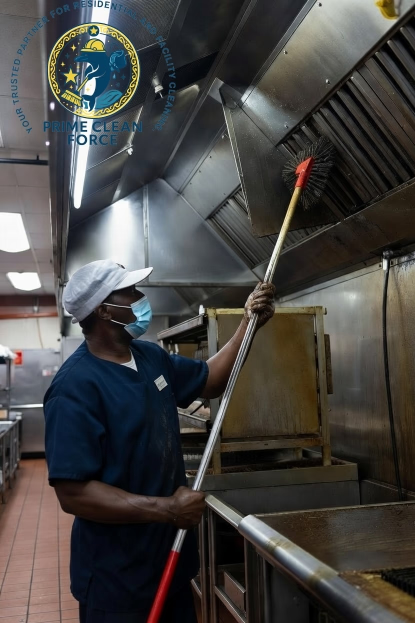
Our restaurant cleaning program focuses on the areas we can service as part of a scheduled cleaning scope: surfaces and zones where grease film accumulates, line equipment exteriors, backsplash areas, and floors. When full hood or duct service is required, we coordinate around the specialized schedule so your restaurant maintains a continuous standard of cleanliness without interrupting service.
Degreasing Reset Workflow
Our degreasing workflow is designed to match the operational rhythm of Union City restaurants. The process is a repeatable sequence, built around the highest-risk zones first and finished with a presentation-focused pass that prepares the dining room for guests or inspection.
Step 1: Pre-Walk & Menu Profile
We begin with a pre-walk that identifies grease-heavy zones, menu-driven residue patterns, and high-contact areas. A fryer-heavy menu or open-flame cooking line produces a different soil profile than a fast-casual prep line. We document access, special handling requirements, and any safety constraints before the reset begins.
Step 2: Line & High-Heat Degrease
The line is the heart of the kitchen and the highest grease load zone. We focus on equipment exteriors, splash areas, and reachable surfaces, applying degreasers with the appropriate dwell time and safe wipe-down or rinse procedures. This is where consistent daily resets protect long-term buildup and keep surfaces inspection-ready.
Step 3: Floors, Drains, and Perimeters
Kitchen floors and drain zones collect grease film and food soil that contribute to slip risk and odor. We scrub floors using material-appropriate cleaners, detail edges and baseboards, and address perimeter zones where debris accumulates. The goal is a non-slip, clean surface that dries fully before the next service window.
Step 4: Front-of-House & Restroom Reset
Guest-facing areas must look and feel clean, not just be technically sanitized. We reset dining room touchpoints, seating zones, entry glass, and restroom surfaces so the presentation matches the quality of the kitchen. This step protects reviews and ensures a consistent standard across the property.
Step 5: Final QA & Close
The final walkthrough verifies that surfaces are dry, floors are safe, and any exceptions are documented. This is also when we confirm that the next shift can open with confidence, whether for an early breakfast rush or a midday service window.
Kitchen Zones & Risk Tiers
Not all kitchen zones carry the same soil load. We categorize areas by risk and soil intensity so that degreasing time is allocated where it matters most. This approach protects the line, supports inspection readiness, and keeps cleaning labor focused on the highest-impact surfaces.
Cook Line & High-Heat
Fryers, grills, and range zones produce the heaviest grease film. These areas receive priority degreasing and frequent detail passes.
Prep & Cold Storage
Prep tables, cold storage doors, and shelving require sanitized surfaces with strict attention to food-contact protocols.
Dish & Wash
Warewashing zones need a clean, dry reset to prevent residue and cross-contamination around sinks and racks.
Receiving & Storage
Receiving zones collect cardboard debris and dust. Regular cleaning supports pest prevention and organized stock flow.
Front-of-House Standards
Guest perception begins at the door. A spotless dining room, clean entry glass, and consistent restroom sanitation signal professionalism and care. We treat the front of house as a brand environment, not just a room that needs sweeping. Tables, chairs, banquettes, and high-touch points are wiped down with the same consistency as back-of-house surfaces. The goal is a complete experience, not isolated clean zones.
Restrooms are a critical indicator of restaurant hygiene for guests and inspectors alike. We apply a methodical reset that addresses mirrors, fixtures, partitions, and floors. This routine keeps your public-facing spaces aligned with the same standard as your kitchen, which protects reviews and helps reinforce staff pride in the overall operation.
Floor Safety & Slip Prevention
Kitchen floors collect grease film that can create slip hazards and odor retention. We remove buildup with degreasing agents appropriate to the surface and follow with rinsing and drying so the next shift returns to a safe workspace. Edge detailing is also important; grease tends to migrate under equipment and along perimeter lines, where routine mopping does not reach.
In dining rooms, floor appearance influences guest perception. We clean floors according to material, including tile, LVP, sealed concrete, or hardwood, so the finish looks uniform without residue. Where mats are used, we ensure the floor underneath is still cleaned and the mat zones are dried properly to prevent hidden buildup.
Schedule Strategy for Union City Restaurants
Effective restaurant cleaning is a cadence, not a single event. We recommend a schedule that includes nightly resets, weekly detail passes, and periodic deep degreasing based on volume and menu type. This tiered approach keeps grease from accumulating, reduces emergency cleanups, and makes inspections less stressful.
Union City restaurants vary from quick-service to full-service operations. We tailor schedules to match your service flow, with detailed scopes for high-volume days and streamlined resets for lower-volume periods. The goal is consistency without disrupting your kitchen rhythm.
A practical schedule also considers staffing and vendor coordination. If a hood service or equipment maintenance visit is planned, we align our cleaning sequence so the kitchen can return to a clean, ready state without doubling labor. This approach helps general managers avoid conflicting vendor timelines and gives teams a predictable rhythm they can train around. When cleaning becomes part of the operating plan, it supports tighter closing routines and a more confident opening the next day.
- Nightly: line wipe-downs, food-contact surface cleaning, restroom reset, trash removal, and floor detailing.
- Weekly: equipment exterior degrease, baseboard and wall touch-ups, detailed drain care.
- Monthly/Quarterly: heavier degreasing, deeper floor scrubs, and presentation-focused detail work.
Union City Restaurant Snapshot
Grease control protects service flow.
A structured degreasing cadence supports safety, inspections, and the guest experience.
Operational Constraints & Access Windows
Operational constraints that shape timing, access, and scope for this service line.
- Kitchen downtime windows set around service periods.
- Hot equipment cooled before deep degreasing.
- Food-contact surfaces sanitized and air-dried.
- Slip prevention and wet-floor controls maintained.
Restaurant Sanitation Protocol Matrix
Our protocol matrix translates restaurant zones into clear cleaning standards. Final scope is confirmed during a walkthrough.
| Zone | Soil Load | Prime Standard |
|---|---|---|
| Cook Line | Grease aerosol, heat residue, splash zones | High-heat degrease with safe dwell time and wipe-down |
| Prep & Cold | Food soil, cross-contact risk | Clean + sanitize sequence aligned to label instructions |
| Floors & Drains | Grease film, slip hazards, odor buildup | Scrub, rinse, and dry with perimeter detailing |
| Front-of-House | Guest touchpoints, presentation standards | Dining and restroom reset for guest-ready presentation |
Restaurant Cleaning FAQ
How often should a commercial kitchen be degreased?
Degreasing frequency depends on menu and volume. High-heat kitchens may need weekly detail passes and more frequent deep degreasing, while lower-volume kitchens can space those intervals further apart.
What is the difference between cleaning and sanitizing?
Cleaning removes food soil and grease so the surface is ready to sanitize. Sanitizing reduces microorganisms on food-contact surfaces and is performed after cleaning.
Do you clean after hours or before opening?
Yes. Most restaurant cleaning is scheduled after close or before open to avoid disrupting service and to allow floors to dry fully.
Do you clean hoods and ducts?
We clean accessible grease surfaces in the kitchen. Full hood and duct cleaning may require a specialized contractor, and we can coordinate around those service windows.
How do you handle sanitizer contact times?
We follow product label directions for dilution and contact time so surfaces are sanitized according to manufacturer guidance.
Can you reduce slip hazards in the kitchen?
Yes. We remove grease film, detail edges, and verify floor dryness so the next shift returns to a safer workspace.
Do you provide inspection documentation?
We can provide scope checklists and notes to support inspection readiness and management records.
The Prime Clean Force Difference
Restaurants in Union City need more than a generic janitorial clean. They need a partner who understands degreasing science, sanitation sequence, and the business reality of tight service windows. Our restaurant program is built around that reality, with documented scopes that align with inspections and guest expectations.
We combine kitchen discipline with front-of-house presentation, delivering a complete reset that protects your operation and your reputation. From the line to the dining room, our goal is the same: a clean that holds up under pressure and looks right to every guest who walks through the door.
As Union City continues to grow, restaurants need cleaning programs that scale with demand. We build scopes that are clear, repeatable, and easy for managers to audit, so the restaurant stays ready for peak service and unannounced inspections alike.
Related Union City Resources
Food service sanitation is tied to delivery traffic, office district footfall, and studio production days that extend operating hours.