Film and studio environments have two non-negotiables: confidentiality and continuity. Your cleaning program must protect content, avoid disrupting production, and still maintain daily hygiene in shared spaces and high-touch zones.
Quick Navigation
NDA Workflow 🧾
Confidentiality-first cleaning controls.
Quiet Cleaning 🎧
Low-noise, low-odor, low-disruption sequencing.
Call-Time Resets ⏱️
Timed resets between call windows.
Wrap Cleanup ✅
Post-shoot restoration and closeout checks.
Controlled Access 🛡️
Zones, badges, escorts, logs, chain of custody.
Set Safety 🧯
Spills, cables, slip risks, safe egress.
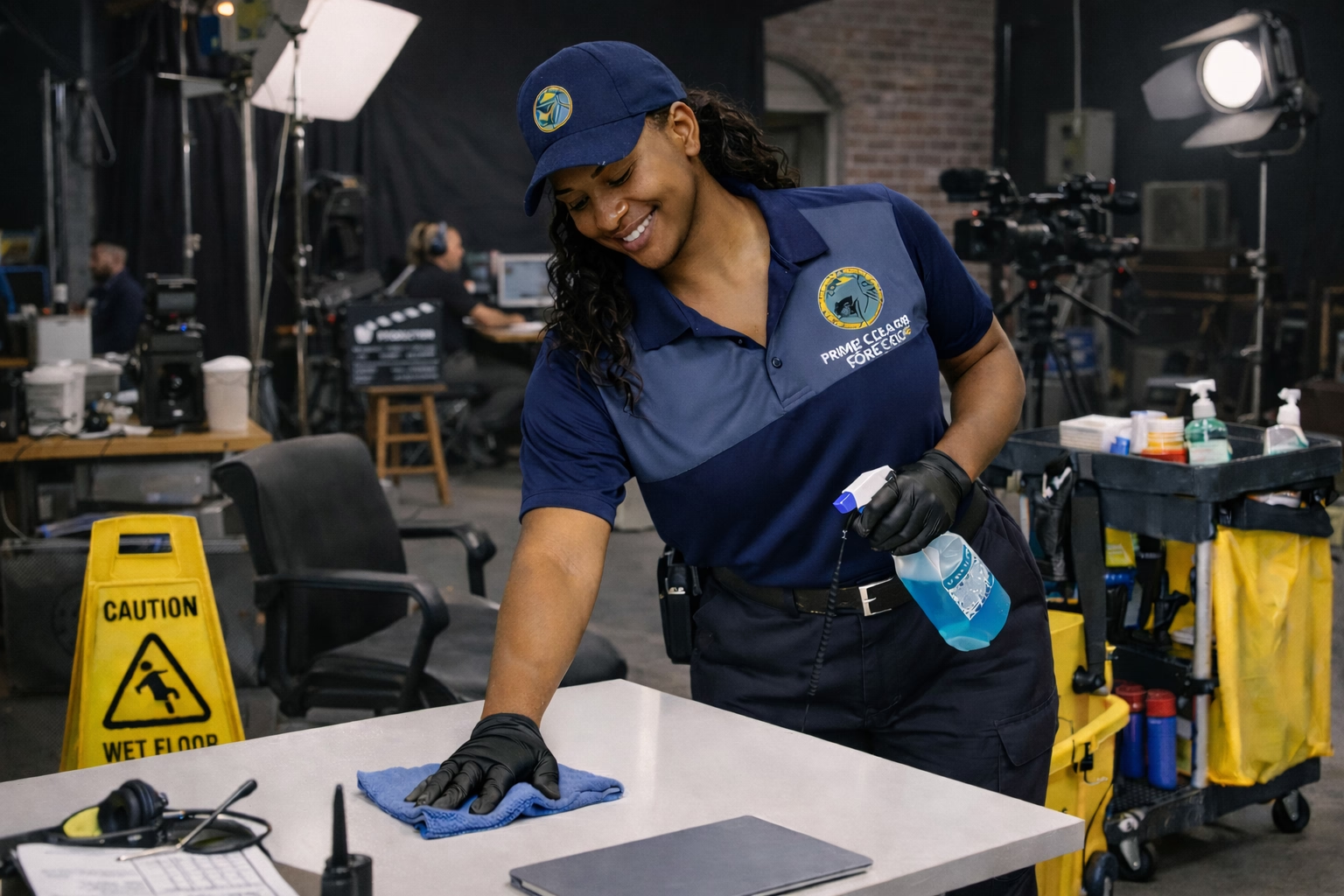
Our teams provide NDA-compliant cleaning for East Point's film and media production spaces.
NDA-Compliant Workflow: Clean Without Leaks
In film and media, cleaning is a trusted access function. The protocol must treat sensitive materials, identifiers, and spaces as controlled. A strong baseline is to clean shared workspaces daily and between shifts, emphasizing high-touch surfaces, while enforcing confidentiality and accountability. This aligns with common production guidance that prioritizes shared space hygiene and structured coverage.
Zero Curiosity Rule
No photos, no notes, no screen viewing. Found items follow a documented chain of custody.
Zone Boundaries
Approved areas only. Locked rooms require escort or pre-authorized access, with entry logs.
Documented Exceptions
Anything unusual is recorded: unlocked doors, sensitive trash, unattended call sheets, device left behind.
NDA Compliance Checklist
- Badge visible, access limited to approved zones.
- No photography, no copying, no discussion of content.
- Trash handling follows client instructions, sensitive bins treated as controlled.
- Any discovered documents are placed in a sealed envelope and handed to the designated contact.
- Log entry and exit times for restricted areas.
Quiet Cleaning Methods: Protect Sound and Focus Windows
Quiet cleaning is not just equipment choice, it is sequencing. The goal is to eliminate disruptive noise, strong odors, and repeated pass-through traffic. High-touch sanitation is prioritized, then floors, then trash, then restock.
Quiet Mode Sequencing
- Touchpoints first, fast and targeted.
- Trash and liners, quiet carts only.
- Spot floors during active movement windows.
- Full floors during approved quiet reset windows.
Chemistry and Odor Control
- Low-odor disinfectants where required.
- Neutral pH cleaners for routine work.
- Do not aerosolize chemicals around electronics, cameras, or sound equipment.
- Label bottles by area to prevent cross-use.
Fast Reset Checklists Between Call Times
Production runs on timing. This section standardizes resets into three tiers so a coordinator can request the right reset without debate. The logic mirrors production guidance that emphasizes frequent cleaning of shared spaces and high touch areas across shifts and work periods.
| Reset Tier | Time | Primary Targets | When to Use |
|---|---|---|---|
| Touchpoint Reset | 10 minutes | Door hardware, shared controls, kitchen touchpoints, restroom checks | Between meetings, talent movement windows, short breaks |
| Operational Reset | 20 minutes | Touchpoints plus trash, spot floors, restock consumables | Between call blocks, office bursts, lunch transition |
| Pre-Wrap Reset | 45 minutes | Operational reset plus full floor pass, breakroom detail, restroom detail | Late day, pre-wrap staging, end-of-day order |
Operational Reset, 20 Minute Checklist
- Sanitize touchpoints, door hardware, switches, shared remotes.
- Restroom check, wipe high touch, refill soap and towels.
- Trash swap, liners replaced, odors neutralized.
- Breakroom quick wipe, microwaves and fridge handles.
- Spot floors, remove visible debris, address spills immediately.
- Check entry paths for hazards, cords, wet zones, clutter.
- Stage supplies outside restricted rooms, no wandering.
- Log completion, flag exceptions, then exit clean.
Post-Shoot Cleanup: Wrap-Level Restoration
Wrap cleanup restores the site to a safe, professional baseline. It is where you address adhesive residue, floor buildup, breakroom bio-load, and high traffic restrooms. It also includes safety checks, because walking-working surfaces must be maintained free of hazards like spills and obstructions.
Debris and Adhesives
Remove tape residue safely, detail baseboards, clear staging areas, restore pathways.
Restrooms and Break Areas
Deep sanitize touchpoints, clean floors, restock, then check for odor sources.
Closeout Verification
Final walk-through, hazard scan, confirm restricted zones are secured, log completion.
Controlled Access Standards: Cleaning Under Security Rules
Production security models increasingly treat media creation as a security-driven workflow with controlled access and accountability. The cleaning program should match that reality, with zoned permissions, logs, and strict behavior controls.
Controlled Access Rules, Operationalized
- Zones labeled: Public, Staff, Restricted, Locked, Escort-Only.
- Restricted zones cleaned only when cleared by the designated contact.
- Entry and exit logged for restricted rooms, include time and cleaner ID.
- Unattended sensitive materials are not moved, exception logged immediately.
- Found devices, drives, scripts, or call sheets follow a chain-of-custody handoff.
Set Safety: Slip Risk, Cables, and Safe Egress
Film environments combine foot traffic, rolling carts, temporary power, and fast transitions. Safety requires disciplined spill response, clear walking paths, and controlled wet floor timing. Walking-working surfaces should remain free of hazards like spills and obstructions, and access and egress must remain safe.
Hazard Controls
- Spills handled immediately, wet floors avoided during active movement.
- Do not drag hoses or cords across paths during traffic windows.
- Keep exits clear, do not stage carts in egress routes.
- Use signage for any unavoidable damp zones.
Floor Strategy
- Spot-clean during call windows.
- Full mop passes only in approved reset windows.
- Microfiber systems reduce water and dry faster.
- High-traffic corners get extra attention and extra drying time.